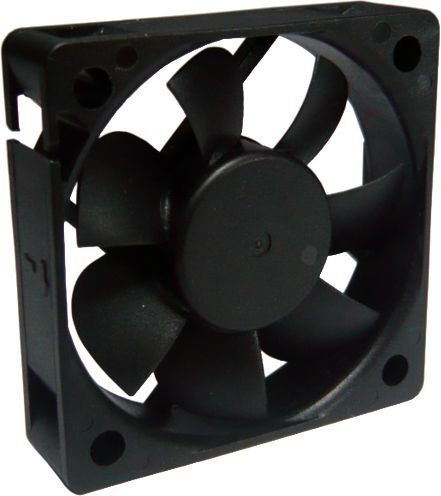
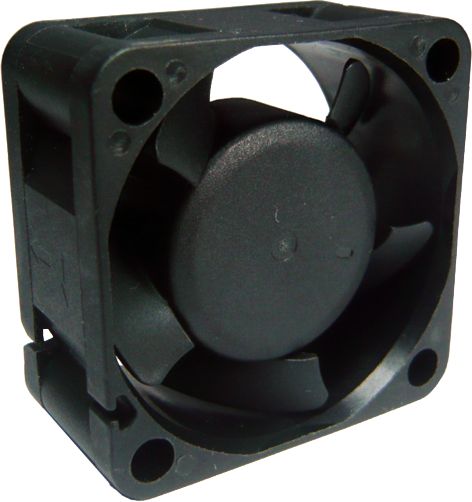
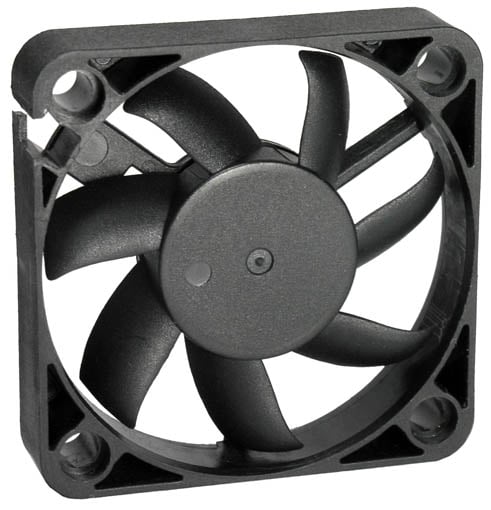
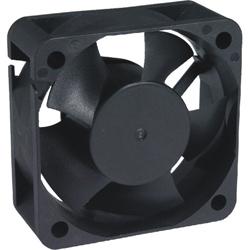
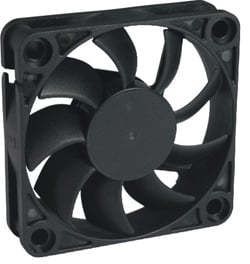
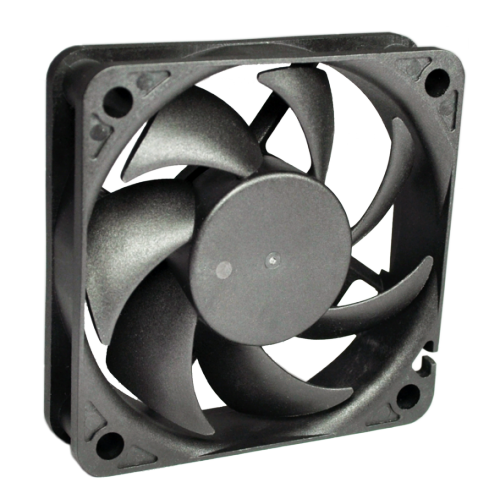
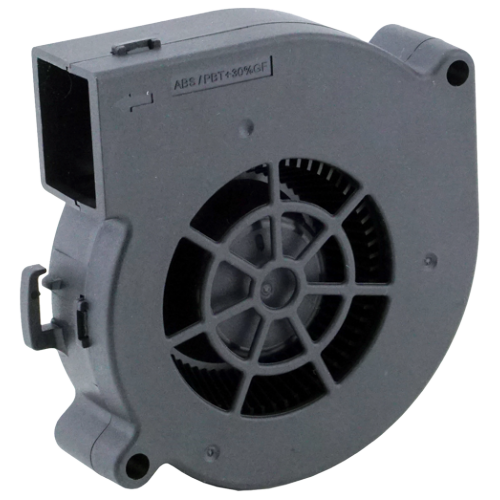
Automotive Industry Axial Fans
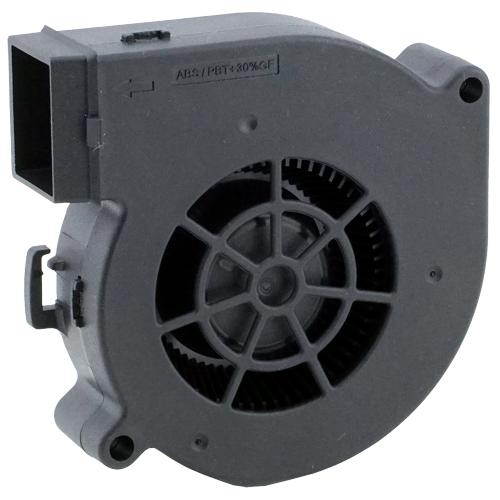
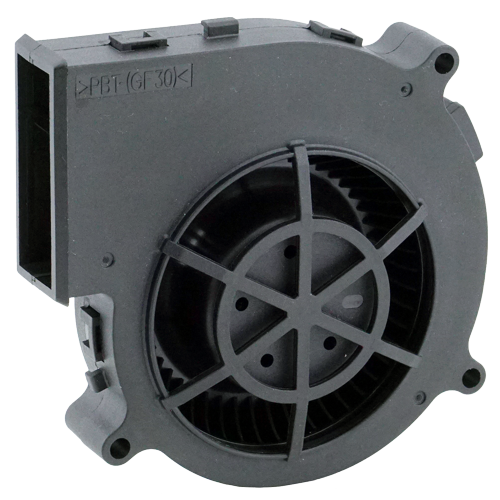
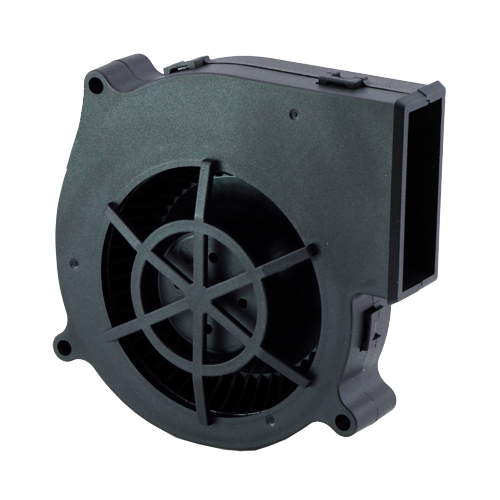
Modern automotive components - from infotainment systems and HUD displays to battery management and ADAS hardware - generate significant heat in tightly packaged enclosures. YS Tech supplies axial fans, blowers, heat sinks, and custom thermal assemblies to automotive component manufacturers who need cooling solutions that perform reliably within strict size, noise, power, and cost constraints.
Contact YS Tech USA to discuss your automotive thermal requirements, or read the case study below to see how we've solved similar challenges.
Looking for a custom design quote?
Automotive Industry Case Study
Keeping Cool Under Pressure: Custom Thermal Design for a High-Power Car Audio Amplifier
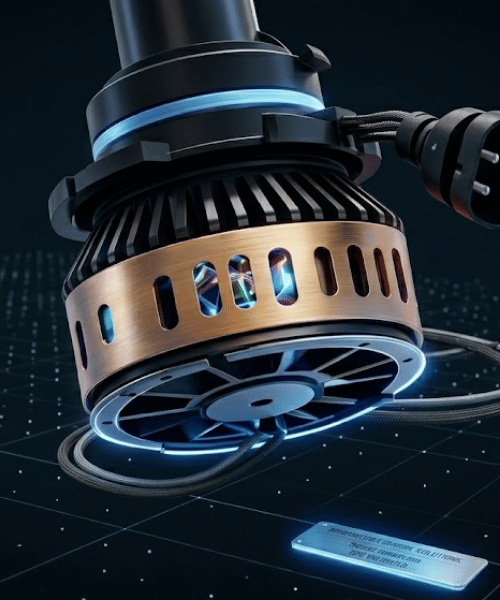
YS Tech performed a comprehensive thermal system simulation to identify the exact performance characteristics required, then rapidly developed a prototype cooling module that combines a high-performance axial fan with a custom heat sink. Test results came within a few percent of the simulation's predicted values, giving the client confidence that the solution was precisely engineered rather than over-specified.
YS Tech's support continued beyond the initial prototype. A complete Design for Manufacturing (DFM) report was provided covering draft angles, mold gate locations, interface surfaces, mounting standoffs, wire routing, grommet design, and packaging. Pre-Production Approval Process (PPAP) documentation was also delivered to streamline integration into the client's production program.
The outcome extended beyond the original program. YS Tech was named a preferred supplier for thermal control products across the client's product range - subsequently supplying fans, heat sinks, blowers, fan trays, custom cabling, and assembly work across multiple programs.

More Information on Automotive Thermal Management
What thermal management products does YS Tech USA supply for automotive applications?
YS Tech USA supplies axial fans, EC blowers, heat sinks, and custom thermal assemblies for automotive component manufacturers. Applications include infotainment and audio systems, heads-up display (HUD) units, battery management systems, ADAS hardware, and EV charging infrastructure. Standard catalog products cover most common requirements; custom designs are available where size, performance, or integration specifications fall outside standard ranges.
What are the main thermal challenges in automotive electronics?
Automotive electronics operate in environments with wide temperature swings, vibration, dust, and limited enclosure space - all while meeting strict acoustic and power consumption targets. Infotainment amplifiers, battery management systems, and ADAS processors generate significant heat in tightly packaged housings where passive cooling alone is often insufficient. Active cooling solutions need to deliver adequate airflow and static pressure within enclosures that weren't originally designed around a fan.
Can YS Tech USA design a custom fan or heat sink for an automotive application?
Yes. YS Tech USA's engineering team works directly with automotive component engineers to develop custom thermal solutions, including custom fan-blade geometry, heat-sink designs, and integrated cooling modules. Custom engagements are supported by CFD simulation and thermal modeling, rapid prototyping, DFM reporting, and PPAP documentation to support production approval processes.
Does YS Tech USA support automotive regulatory and quality standards?
Yes. YS Tech USA designs to the quality and compliance requirements of automotive programs, including IATF 16949 - the international quality management standard for automotive production. Documentation support for production approval processes, including PPAP, is available as part of custom design engagements.
What is a DFM report and why does it matter for automotive thermal design?
A Design for Manufacturing (DFM) report identifies and resolves manufacturability issues before production tooling is committed - covering factors like draft angles, mold gate locations, interface surfaces, mounting standoffs, and wire routing. For automotive programs operating under tight cost and timeline constraints, DFM support reduces the risk of design revisions late in the development cycle and helps get thermal solutions into production faster.
How do I specify a thermal solution for an automotive application?
Key inputs include available envelope dimensions, target airflow and static pressure, operating voltage and power budget, acoustic limits (dBA), operating temperature range, vibration requirements, and any applicable quality or regulatory standards. Contact YS Tech USA to discuss your application with an engineer; thermal simulation can help define precise performance requirements if full specifications aren't yet established.