Skip to content

Backward Curved EC Blowers

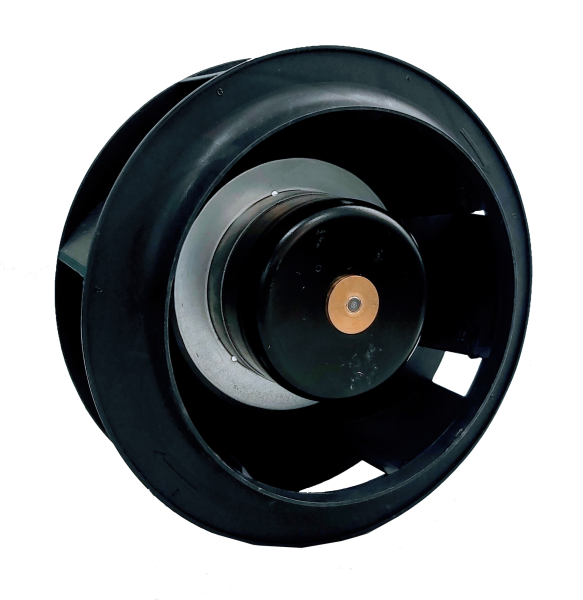
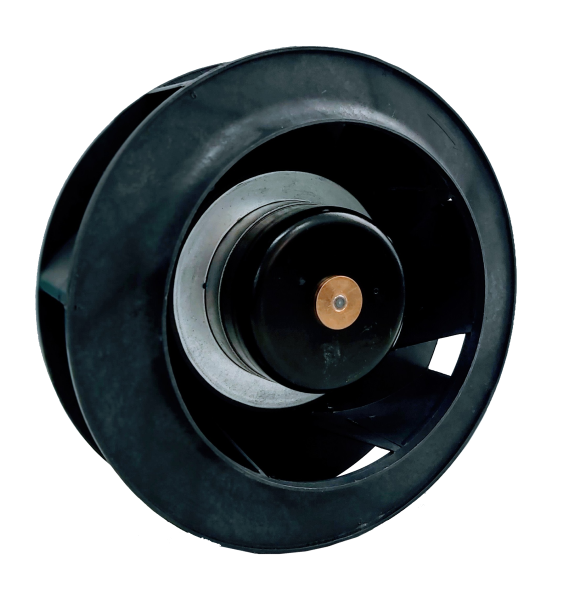
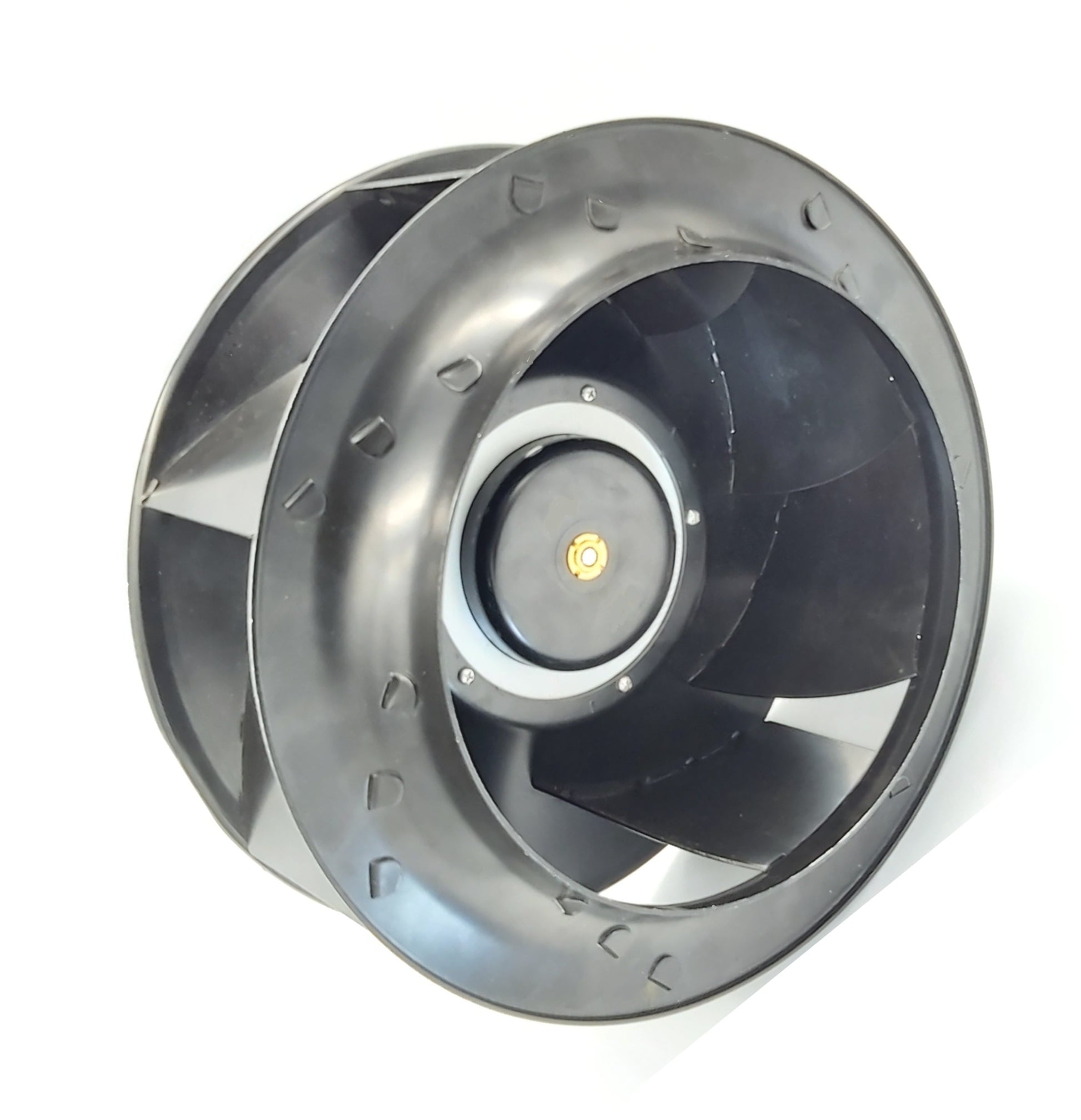
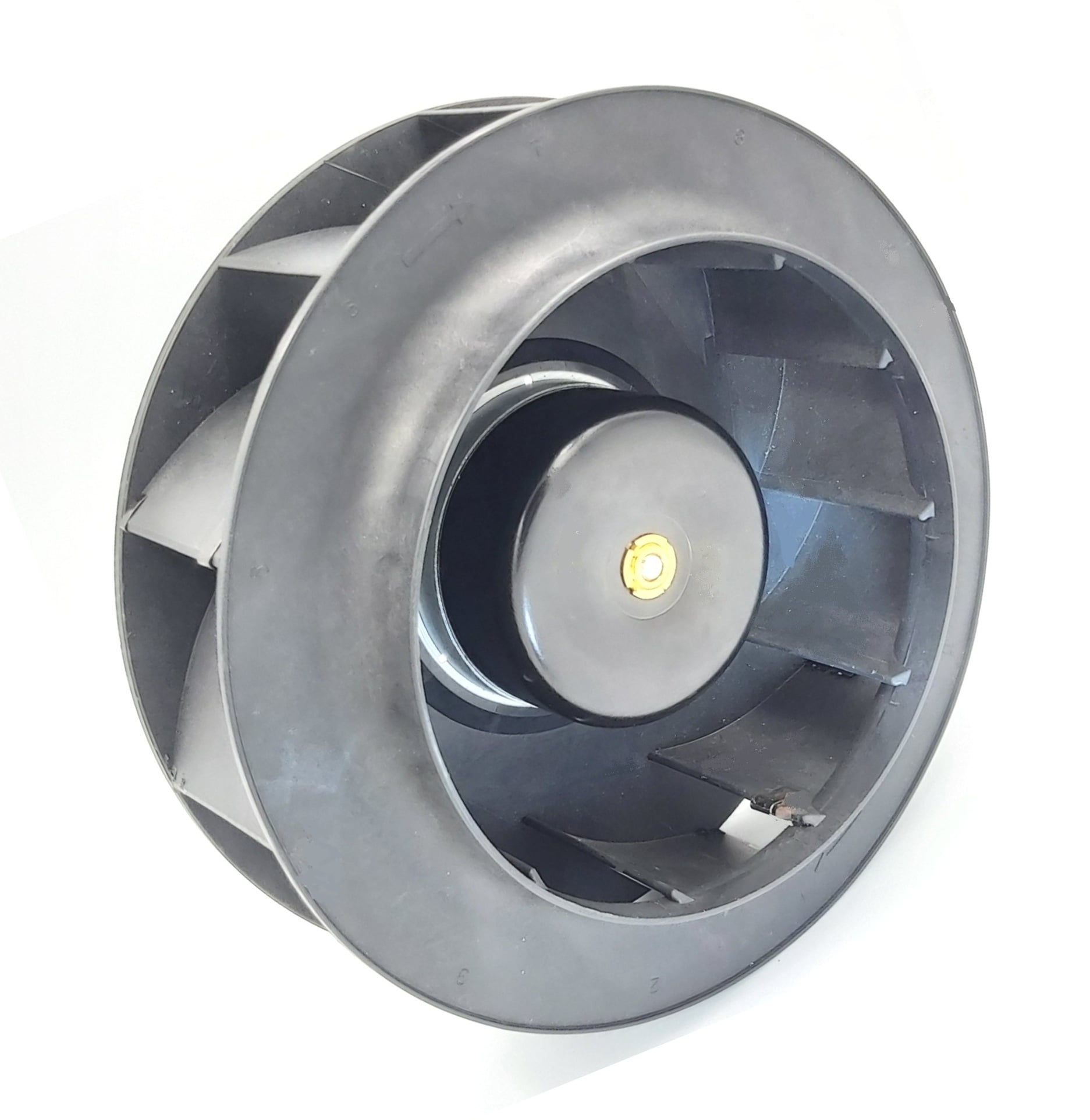
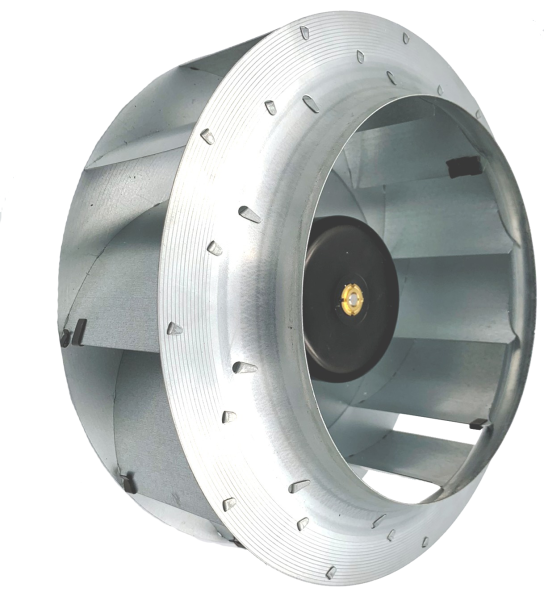
Not all centrifugal blowers are built the same - and the difference starts with the impeller. Backward-curved EC blowers generate airflow by creating dynamic pressure across the shorter length of their blades, meaning pressure is driven by air velocity rather than blade surface area. The result is a more efficient, lower-noise blower that performs reliably in high-volume, low-pressure applications where heat dissipation and acoustic output both matter.

Browse our selection of backward-curved EC blowers below, or contact YS Tech USA if you need a custom solution engineered to your specifications.

QV113341HBL-7A3
133
120 (VAC)
100~140
5330
280
95.504
1.23
85
60000
72.3
QV117542HBL-7A3
175
120 (VAC)
100~140
4500
449
88.138
1.51
108
60000
75.2
QV119045HBL-7A3
190
120 (VAC)
100~140
3750
477
100.33
1.58
120
60000
73.6
QV122563HBL-7A3
225
120 (VAC)
100~140
2900
571
56.134
1.07
130
60000
70.3
QV1310A0MBL-9A2
310
120 (VAC)
100~140
1500
1416
61.468
1.87
130
60000
66
QV213341HBL-7A2
133
230 (VAC)
200~240
5920
289
97.536
0.95
108
60000
74.3
QV217542HBL-7A2
175
230 (VAC)
200~240
4460
458
89.916
0.95
110
60000
75.2
QV219045HBL-7A2
190
230 (VAC)
200~240
3590
446
105.41
0.91
106
60000
72.3
QV222563HBL-7A2
225
230 (VAC)
200~240
2500
566
55.118
0.67
70
60000
66.1
QV222563HBL-9A2
225
230 (VAC)
200~240
3400
931
106
0.85
200
60000
74.5
QV225057MBL-9A2
250
230 (VAC)
200~240
2700
973
91.84
1.74
200
60000
72
QV228080MBL-9A2
280
230 (VAC)
200~240
2300
1448
91.84
1.74
200
60000
72
QV2310A0MBL-9A2
310
230 (VAC)
200~240
1500
1416
61.468
1.25
130
60000
66
No results matched the selected filters.
13 Results

Choose the right blower for your needs:

backward curved

Backward Curved EC

forward curved

Forward Curved EC

dc blower

DC Blowers

What is a backward-curved EC blower?

A backward-curved EC blower is a centrifugal fan that uses an electronically commutated (EC) motor paired with a backward-curved impeller. The impeller generates airflow by developing dynamic pressure through blade velocity rather than blade surface area, which makes it inherently more efficient and quieter than forward-curved designs. EC motor technology provides variable-speed control and eliminates the need for external speed controllers, reducing overall system complexity.

What is the difference between a backward curved and forward curved EC blower?

Forward curved blowers use longer blades to generate static pressure, making them well-suited for applications requiring high pressure at lower speeds. Backward-curved blowers generate pressure by directing air through shorter blades, resulting in higher efficiency and lower noise. For applications where airflow volume, energy efficiency, and acoustic performance are priorities, backward curved is typically the better choice.

What are backward curved EC blowers used for?

Backward curved EC blowers are used in applications that require high-volume, low-pressure airflow with tight noise constraints. Common applications include HVAC and ventilation systems, industrial cooling enclosures, medical equipment, telecom infrastructure, and AI/high-compute hardware where thermal density is high and acoustic limits apply.

Why choose an EC motor over a DC or AC motor in a centrifugal blower?

EC motors combine the efficiency of a brushless DC motor with compatibility with AC power, making them suitable for both single-phase and three-phase power environments. They support variable speed operation through integrated control electronics, enabling precise airflow management and significant energy savings at partial load - typically 20-30% more efficient than comparable AC motor designs. EC motors also have longer service life due to the absence of brushes and commutator wear.

What sizes of backward-curved EC blowers does YS Tech USA offer?

YS Tech USA's backward-curved EC blowers are available in multiple frame sizes to suit a range of airflow and static-pressure requirements. Use the filters above to narrow by size, or contact YS Tech USA if your application requires a custom configuration.

Make a Request for Quotation